
Permits, Plans & Approvals: What Happens Behind the Scenes

Permits are the most confusing part of a Bay Area remodel for most homeowners. Scope varies. Timelines swing. Every city handles it a little differently. The paperwork often decides whether your project starts in March or in July.
Here's how permitting works for Bay Area homeowners: what's required, how long it takes, and where delays come from.
Do you need a permit?
Yes, for anything beyond cosmetic work. These trigger a permit in every city we work in:
- Moving or adding plumbing fixtures
- Moving or adding electrical circuits, panels, or outlets
- Removing or relocating any wall (load-bearing or not)
- Adding square footage, including ADUs, additions, and garage conversions
- Replacing windows where size or location changes
- Water heater replacement (yes, even a like-for-like swap)
- HVAC replacement or relocation
- Roofing replacement
Cosmetic work usually needs no permit: paint, flooring, cabinet replacement in the same footprint with the same plumbing, a countertop swap. The moment you relocate a sink, you're in.
The three stages of permitting
Stage 1: Plan preparation
The plans have to be complete before anything is submitted. A simple bathroom might be a 6-page set. An ADU is usually 25 to 40 pages including structural, energy, and mechanical drawings. We prepare these during the design phase.
Stage 2: Submittal and plan check
We submit the plans to the city's building department. They assign them to a plan checker, sometimes several for structural, planning, and mechanical. The plan checker reviews against code, zoning, and local amendments, then either approves or returns comments called corrections.
Most projects get at least one round of corrections. That's the system doing its job. We respond and resubmit. Each round adds 1 to 3 weeks depending on the city.
Stage 3: Permit issuance
Once plan check clears, the city issues the permit. Fees are paid, which vary by scope and jurisdiction, and we can legally start work.
How long permits take
Permit timelines vary a lot — by city, by the size of your project, and by how busy the building department is at the time. Rather than quote numbers that won't match your situation, we give you a realistic range for your specific scope and city at the consultation, and we handle the submittal and follow-up so it moves as fast as the city allows.
HOAs and design review
If you live in an HOA, there's often an architectural review process that runs alongside or before city permitting. Every HOA is different. Some approve a re-roof in a day. Others take a month or more for any exterior change. Flag an HOA early so its guidelines get factored in.
Hillsborough isn't an HOA but has a design review process that works the same way. Many Atherton and Portola Valley neighborhoods have it too.
Inspections during construction
Once the permit is issued and work starts, the city comes back several times to inspect. A typical kitchen or bathroom has 4 to 6 inspections:
- Rough plumbing, before walls are closed
- Rough electrical, before walls are closed
- Rough mechanical (HVAC), if applicable
- Framing, if walls were moved
- Insulation, before drywall
- Final, after everything is complete
Additions and ADUs have more: foundation, structural steel, shear wall nailing, and energy inspections. Each inspection must pass before the next phase proceeds. A failed inspection means a correction and a re-inspection 2 to 5 days later.
Why permits cause delays
Most permit delays fall into one of these buckets:
- Incomplete plans: the plan checker bounces it back for missing details
- Zoning or setback issues: common on additions and ADUs, especially in older neighborhoods with tight lots
- Structural engineer review timing: any structural work adds their review time
- City backlog: plan checkers are people, and some cities have more demand than staff
- Revisions during construction: if you change something mid-project, we re-submit and wait for re-approval
- HOA delays: often running on their own slower clock
Things people get wrong about permits
- "We'll just skip the permit." This catches up with you at resale, during an appraisal, or when something fails
- "The contractor handles everything." We do most of it, but you sign the permit and it's in your name if you're the owner
- "Permit fees are the contractor's overhead." They're pass-through costs paid to the city and vary a lot by scope
- "The permit slows the project down." The permit is the project. Skipping it creates bigger problems later
The summary
Permitting adds time and cost. It also makes your remodel insurable, financeable, and resaleable. After you've been through it once, it's less mysterious the second time. Our team handles the paperwork, schedules the inspections, and coordinates with the city so most of this happens without you in the middle of it.
If you're planning a project and want a realistic permit timeline for your scope, we can walk through it during the free consultation. Knowing whether you're looking at six weeks or sixteen changes how you plan the rest of your year.
Free download
Planning a remodel? Get the free checklist.
The steps worth sorting out before you call a contractor — so your project starts smooth. We'll email you The Bay Area Remodel Planning Checklist.
By submitting, you'll get the checklist plus occasional remodel tips. Unsubscribe anytime.
Related Articles

What to Expect at Your Free Consultation
A walk-through of the first visit: what we cover, what to have ready, and what you'll leave with.
Read more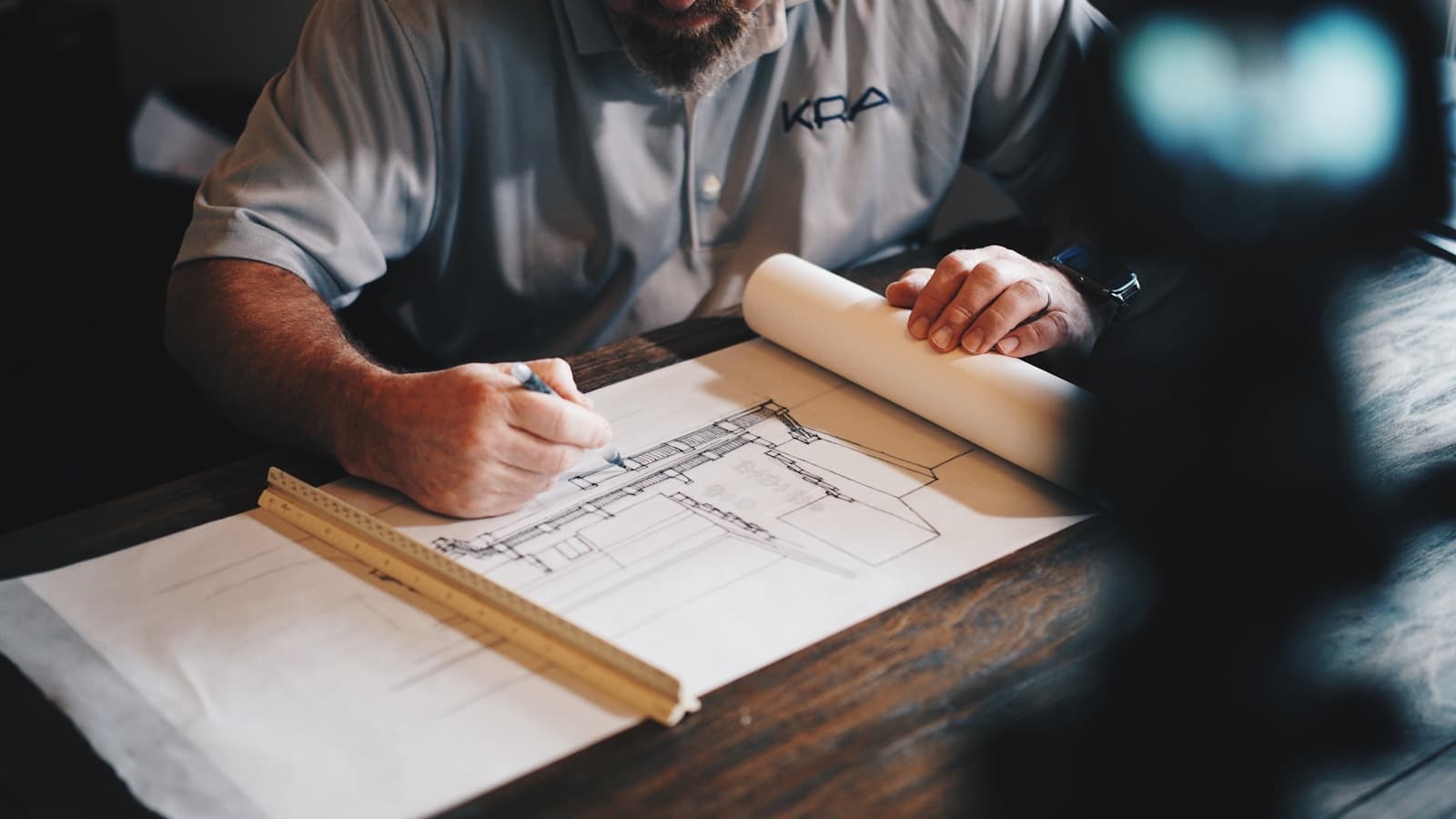
From Vision to Blueprint: The Design Phase Explained
Design is where a remodel is won or lost. Here's how plans come together, how decisions get made, and why this phase matters more than demo day.
Read more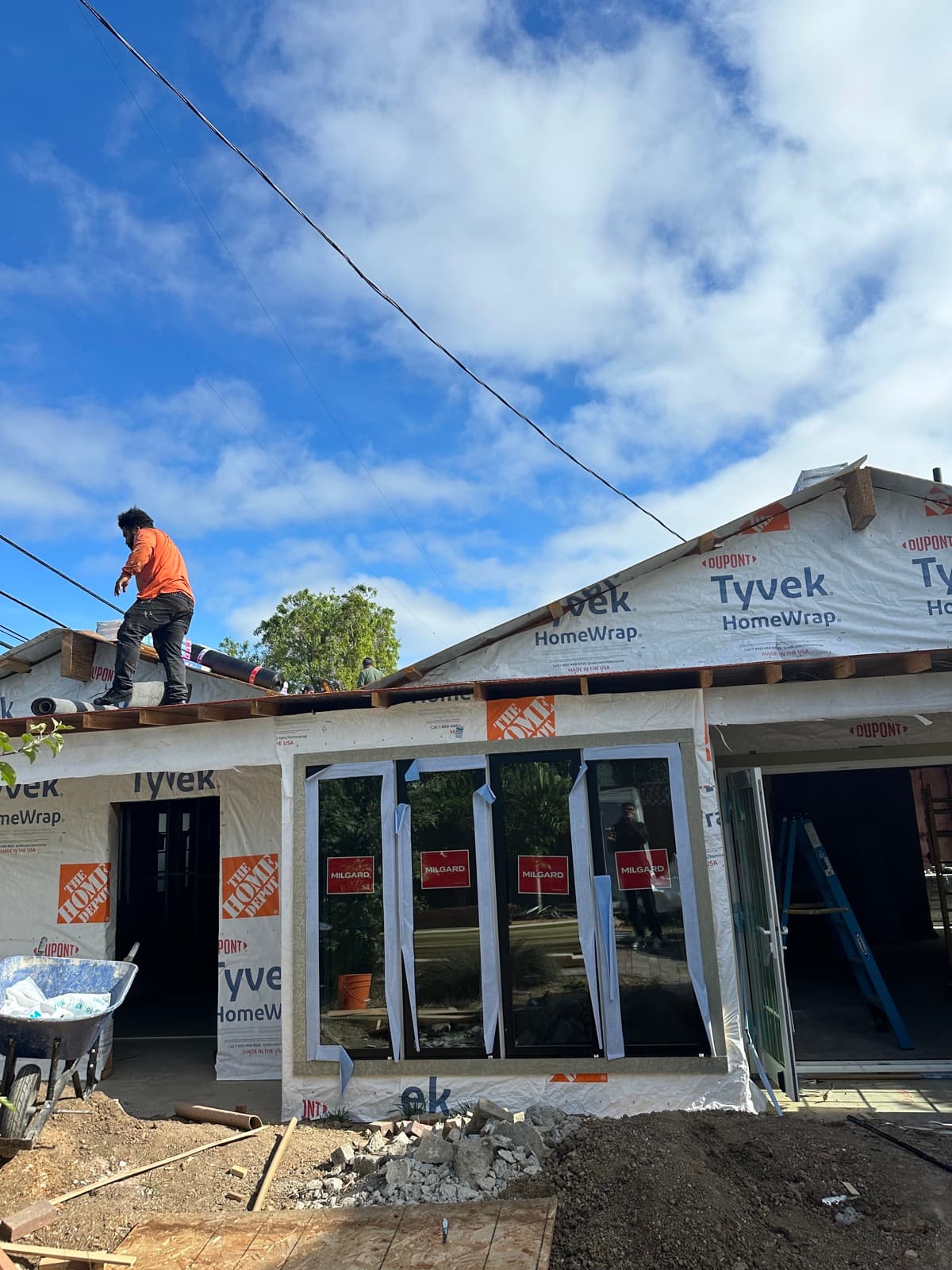
The First Week of Construction: What to Expect
Demo day is loud and dusty. Here's what happens in week one, from site protection to the first surprise behind a wall.
Read moreThinking about your own project?
We offer free consultations across San Francisco, the Peninsula, and the South Bay. Tell us what you're picturing and we'll map out what it would take.
Get Your Free Estimate(800) 950-3984