
From Vision to Blueprint: The Design Phase Explained
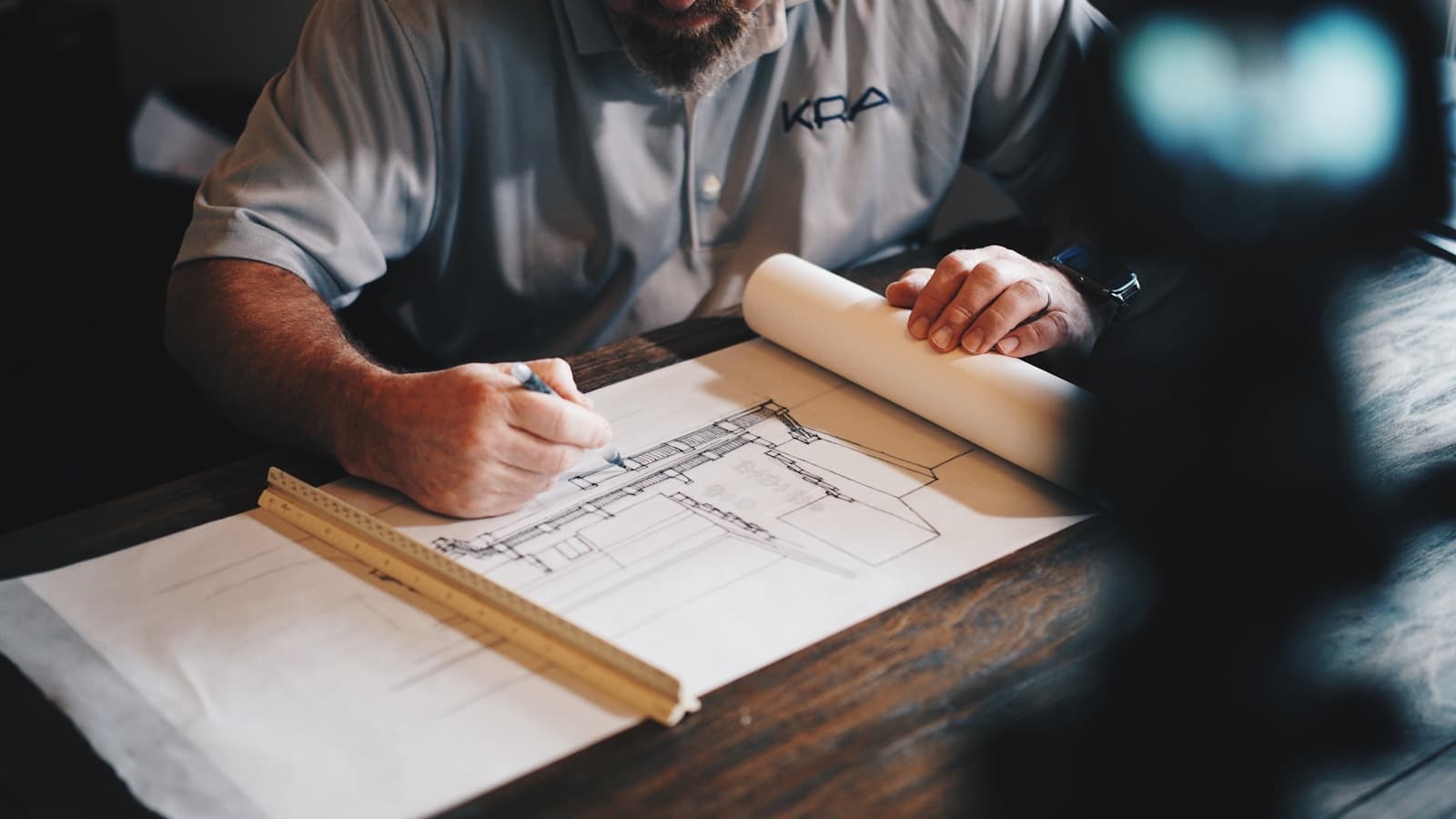
A remodel is won or lost in design, not construction. By the time the first wall comes down, most of the outcome is already decided. Cabinets are ordered. Tile is spec'd. Plumbing fixtures are ready for rough-in. If the design phase was careful, construction flows. If it wasn't, every week brings a decision you weren't prepared to make.
Here's what happens in the weeks between signing a design agreement and starting construction.
Step 1: Measuring and documenting
We start with a detailed as-built: precise measurements of the existing space, including ceiling heights, window locations, plumbing stack positions, electrical panel locations, and any quirks the old permit set missed. Older Peninsula homes have surprises. A 1950s Burlingame ranch rarely has square walls.
This involves a site visit and then drafting time. It becomes the base drawing everything else sits on top of.
Step 2: Concept layouts
You'll see a few layout options, usually in plan view with key elevations. These aren't final. They're meant to start a conversation. One might maximize storage, another might open up sightlines, a third might keep existing plumbing to cut mechanical work. We explain the tradeoffs of each.
This is the most important revision round in the project. Moving a wall on paper is nearly free. Moving it after drywall is up is one of the most expensive changes you can make.
Step 3: Material and finish selections
Once the layout is locked, selections begin. For a kitchen, the sequence usually looks like this:
- Cabinet style, door profile, and finish (stain, paint color, or two-tone)
- Countertop material: quartz, quartzite, marble, or butcher block, with slab viewing for natural stone
- Backsplash tile and layout
- Flooring (if replacing)
- Plumbing fixtures: faucet, pot filler, disposal air switch
- Appliance package
- Hardware: cabinet pulls and knobs
- Lighting: recessed, decorative, under-cabinet
- Paint colors for walls, ceilings, trim
Bathrooms follow a similar sequence, plus tub or shower choices, glass, mirrors, and vent fans. Additions and ADUs add exterior selections: siding, roofing, windows.
How we make it manageable
Selection decisions come fast, and each one affects the others. We handle this in a couple of ways, depending on how involved you want to be:
- We pre-select a short list of options per category that fit your style and budget, and you pick your favorite
- Or you source everything yourself using our specs, and we coordinate ordering and install
Many clients use the first approach for most selections and take the lead on a category or two they care about, often tile or fixtures.
Step 4: Construction documents
Once layouts and selections are settled, we produce the drawing set that construction and permits are based on. A typical kitchen or bath set includes:
- Demo plans showing what comes out
- Floor plans with new walls, cabinet runs, and plumbing fixtures
- Reflected ceiling plans showing lighting and any soffits
- Elevations of each wall with cabinet heights, tile layouts, and outlet locations
- Sections where there's a height change or complex detail
- Electrical plans showing circuits, outlets, switches, and lighting
- A finish schedule listing every material by room
Additions and ADUs add structural drawings engineered by a licensed structural engineer, energy compliance calculations (Title 24), and site plans showing setbacks.
How long this takes
Design timelines vary by scope. Bathrooms move faster, kitchens take longer, and additions, ADUs, and full home renovations take longer still, especially once city plan review starts. We'll give you a realistic range for your project early on.
Timelines slip when decisions slip. The biggest variable is how fast material selections get made. A decisive client keeps design moving. A client juggling family input or weighing many options stretches the timeline.
How many revisions are normal?
Expect a few meaningful revision rounds on the layout, plus refinement on elevations and selections. Small tweaks like moving an outlet or changing a knob style don't count as rounds. Handle major changes such as reconfiguring the island or switching from a tub to a walk-in shower before construction documents are finalized. After that, changes become change orders with real cost and schedule impact.
Common design decisions people wrestle with
- Island or peninsula: the answer usually depends on ceiling height and walking lanes, not preference
- Range hood style: decorative, flush, or downdraft, each with real ventilation consequences
- Shower niche, ledge, or corner shelf: tile layout dictates this more than you'd think
- Full-height or 42-inch cabinets: storage against proportion
- Frameless or shaker doors: a style choice and a meaningful cost difference
- Quartz or quartzite: they look similar but behave differently with heat and acids
Why this phase matters most
A thorough design phase does three things construction can't fix later: it aligns expectations, it informs pricing, and it reduces change orders. A rushed design leads to a frustrated homeowner and a stretched timeline. A careful design tracks much closer to plan with fewer mid-project surprises.
If you're getting ready to start a remodel and want to understand how design fits with permits, construction, and the final walkthrough, the free consultation is the place to start. We map out every phase for your scope and give you a real timeline.
Free download
Planning a remodel? Get the free checklist.
The steps worth sorting out before you call a contractor — so your project starts smooth. We'll email you The Bay Area Remodel Planning Checklist.
By submitting, you'll get the checklist plus occasional remodel tips. Unsubscribe anytime.
Related Articles

What to Expect at Your Free Consultation
A walk-through of the first visit: what we cover, what to have ready, and what you'll leave with.
Read more
Permits, Plans & Approvals: What Happens Behind the Scenes
Permitting confuses most homeowners. Here's how it works in the Bay Area, city by city, and why timelines are what they are.
Read more
The First Week of Construction: What to Expect
Demo day is loud and dusty. Here's what happens in week one, from site protection to the first surprise behind a wall.
Read moreThinking about your own project?
We offer free consultations across San Francisco, the Peninsula, and the South Bay. Tell us what you're picturing and we'll map out what it would take.
Get Your Free Estimate(800) 950-3984