
Living Through a Remodel: Practical Tips for Homeowners
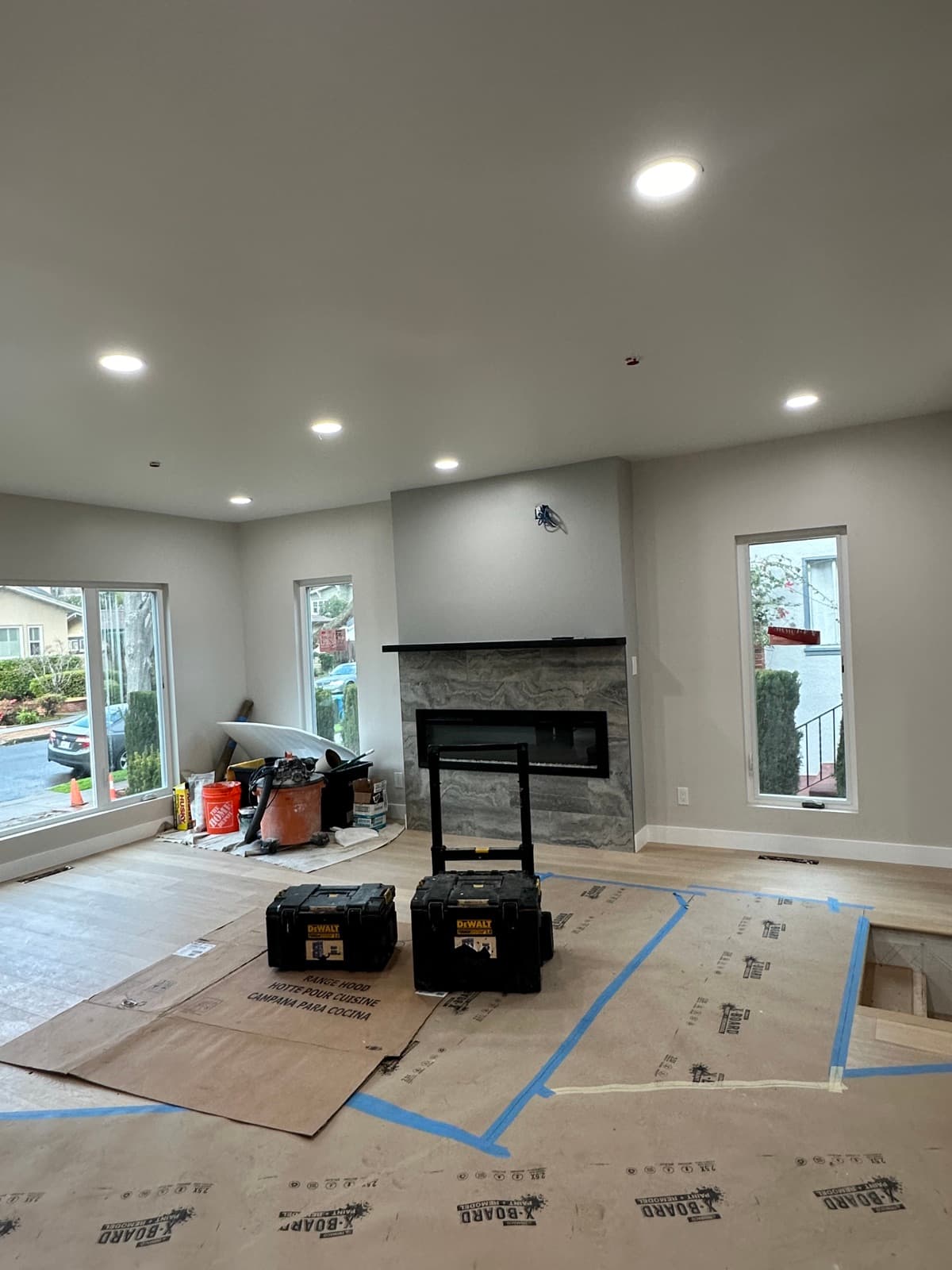
During a remodel, part of your home is a work zone. With good planning, daily life stays manageable. At Genesis, we work to keep disruption down at every step.
Here's what experienced homeowners do to keep the process smooth. Most of it is simple preparation that pays off from day one.
Set up the temporary kitchen before day one
If your kitchen is being remodeled, you need a working replacement. The biggest source of frustration in kitchen remodels is a temporary setup thrown together the night before demo. Set it up a week ahead and treat it like your kitchen for the next two months, because it is.
A good temporary kitchen includes:
- A dedicated counter or folding table for prep
- Microwave (essential)
- Mini-fridge or compact fridge. Your main fridge may or may not be accessible, so ask upfront
- Electric kettle
- Toaster oven or air fryer
- Hot plate or induction burner
- Coffee maker moved over from wherever it lives
- Utensils, plates, and basic cookware: enough for 2 days without washing
- A dishwashing station. A laundry sink works, or use disposable plates for a week
- Trash and recycling
- Extension cords rated for the load
The garage is the most common location. A spare bedroom with a sink nearby also works. Some clients set up in the dining room next to the bathroom.
Plan for meals
Even with a good temporary kitchen, cooking becomes harder. A few approaches work:
- Batch cook before demo starts: soups, chili, pasta, anything freezable
- Lean on prepared meals from Whole Foods, Trader Joe's, or Costco
- Plan for 2 to 3 restaurant or delivery nights per week on top of your usual
- If you have kids, keep their favorite snacks within reach. They'll miss the pantry
Budget extra for food during the remodel. Food costs go up when the kitchen is out of service.
Bathroom logistics
If your only or primary bathroom is being remodeled, there's no substitute for planning. Options:
- Use the secondary bathroom full-time. Most homes have one
- Shower at a gym. Many clients keep a membership just for this
- Schedule a partial demo to keep the toilet or shower working as long as possible
- For full-home renovations, some clients move out during the heaviest phases
Where possible, we stage bathroom projects so the plumbing is offline for as little time as practical, even during a full gut. Whether this works depends on your scope, so ask early.
Managing noise
Construction happens during standard weekday hours. If you work from home, the early weeks of demo and rough-in are the loudest. Options:
- Relocate for demo days: coffee shop, library, coworking space, or a friend's house
- Schedule calls for late afternoon when crews are wrapping up
- Get noise-canceling headphones
- Take PTO for demo week if you can
After rough-in, the noise drops a lot. Tile work, cabinet install, and finish carpentry are much quieter: steady hammering, none of the demo racket.
Dust control beyond what we do
Even with barriers and negative air, fine dust migrates. To protect the rest of your home:
- Cover upholstered furniture in adjacent rooms with old sheets
- Move valuable art, books, and electronics that can't be wiped easily
- Close HVAC vents in the work zone and change your filter monthly during the project
- Run a standalone HEPA air purifier in the bedroom
- Wipe horizontal surfaces like window sills and shelves every 2 to 3 days
- Launder any blankets or linens that have been sitting out
Kids and pets
Our crews work in homes with families all the time. We set clear work zones with barriers and keep you informed about the day's schedule so you can plan around it. A few tips from homeowners:
- School-age kids often find the process fascinating. Short end-of-day site visits can become a highlight
- Consider doggy daycare on the loudest demo days so pets can rest elsewhere
- Mark pet areas and share pet routines with the crew so they can plan around them
- Keep food and water bowls in a dust-free room
Communication that works
Clear, daily communication does more than anything else to keep a remodel from going sideways. If you do one thing, do this:
- Take the morning check-in seriously. Show up, ask questions, raise concerns early
- Keep a running notes doc or photo album of questions and decisions
- Don't redirect trades one by one. Route everything through the project lead
- Respond to decision requests within 24 hours. Delays here cascade
- Trust the process, and verify milestones. A good contractor welcomes check-ins
Keep the end in sight
A remodel is a few hard months for a result you'll use every day. A few small habits make the weeks feel shorter:
- Take progress photos weekly. Looking back at them at the end is one of the best parts
- Celebrate milestones like cabinets installed, counters in, and the first shower. They break up the timeline
- Stay in the loop without micromanaging. Trust the morning check-in and the project lead
The reward
After the final walkthrough, homeowners tell us the same thing: it was worth it, and it was harder than they expected. Both are true. The finished space is something you'll live with for years. The disruption lasts a few months. Knowing what's coming makes those months bearable.
If you're in the planning phase and want to think through the logistics of your home, where the temporary kitchen goes, how long you'd be without a bathroom, and whether to plan a trip during demo week, we can map it all out at the free consultation.
Free download
Planning a remodel? Get the free checklist.
The steps worth sorting out before you call a contractor — so your project starts smooth. We'll email you The Bay Area Remodel Planning Checklist.
By submitting, you'll get the checklist plus occasional remodel tips. Unsubscribe anytime.
Related Articles

What to Expect at Your Free Consultation
A walk-through of the first visit: what we cover, what to have ready, and what you'll leave with.
Read more
From Vision to Blueprint: The Design Phase Explained
Design is where a remodel is won or lost. Here's how plans come together, how decisions get made, and why this phase matters more than demo day.
Read more
Permits, Plans & Approvals: What Happens Behind the Scenes
Permitting confuses most homeowners. Here's how it works in the Bay Area, city by city, and why timelines are what they are.
Read moreThinking about your own project?
We offer free consultations across San Francisco, the Peninsula, and the South Bay. Tell us what you're picturing and we'll map out what it would take.
Get Your Free Estimate(800) 950-3984