
The Final Walkthrough: How We Deliver Your Finished Project
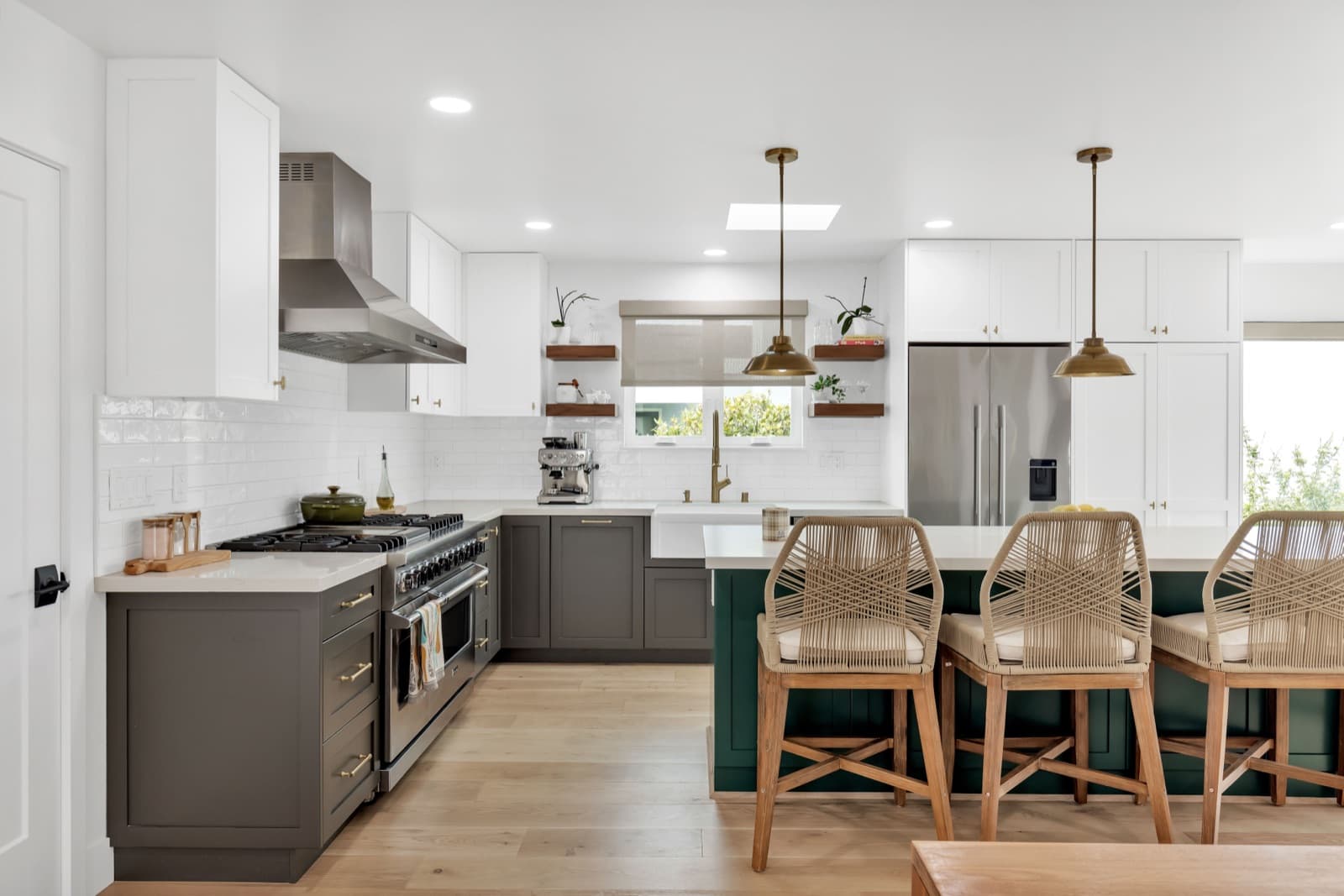
The final walkthrough is where a remodel ends and the follow-up begins. The jobsite becomes a finished room again. It's your chance to look at every surface, outlet, and cabinet door and say this is ready, or it isn't.
The walkthrough is a slow, careful tour. It takes longer than you'd think, and it matters more than any single moment in the project.
When it happens
The walkthrough happens after the final city inspection passes, permits are closed out, the site is cleaned, and the temporary barriers are down. There's usually a short window between the last construction day and the walkthrough, longer for additions and ADUs than for a single bathroom.
We don't rush it. A walkthrough takes real time, more for larger projects than for a single room. Block the time on your calendar.
What we actually look at
The walkthrough is methodical. We move through the space zone by zone and check:
- Every cabinet door and drawer: alignment, soft close, interior finish
- Every plumbing fixture: flow, drain, temperature, leaks under the sink
- Every outlet and switch: working, correctly oriented, covered
- All tile: grout lines, caulk lines, no cracks or hollow spots
- Countertops: no chips, seams properly bonded, edges finished
- Appliances: powered, connected, and tested. We run the dishwasher, test the range, and verify the fridge cools
- Lighting: every fixture, every switch, every dimmer
- Paint: no missed spots, touch-ups done, trim clean
- Flooring: no scratches, no lippage, clean transitions
- Windows and doors: open, close, lock, weatherstripping intact
- HVAC: a register in every room delivers air, thermostat works
- Exterior, if applicable: siding, trim, roofing, gutters
We bring painter's tape. Anything that isn't right gets a piece of tape and a line on the punch list.
The punch list
A punch list is the written list of small items to address before the project fully closes. Most projects have one. The size varies. A small bathroom usually has a handful of items. A full home renovation or ADU can have many more.
Most punch items are small: a slightly misaligned cabinet door, a caulk line that needs a second pass, a missing grout dot at a tile corner, a door that needs one more plane. A few are bigger, like a back-ordered appliance that still needs installation or a tile that arrived damaged and needs replacing.
We address punch list items in a follow-up visit or visits after the walkthrough. We schedule the follow-up at the walkthrough itself so there's no question about when it happens.
What you receive at closeout
Closeout includes a project package, digital or physical, your choice, covering items such as:
- Permit signoff documentation from the city
- Manufacturer warranty information for installed appliances, fixtures, and finishes
- Care instructions for specialty materials like stone, wood, and specialty tile
- A list of finishes used: paint colors, stains, cabinet makers, for future touchups and matching
- Before and after photos
Warranty — what it covers and what it doesn't
Genesis stands behind its workmanship. The specific terms of any workmanship warranty are spelled out in your project contract.
Manufacturer warranties cover the products themselves, like a faucet cartridge, a cabinet finish, or an appliance motor, and are separate from workmanship coverage. Lengths vary by manufacturer.
Workmanship warranties generally don't cover normal wear and tear, damage from abuse or misuse, issues from settling, or homeowner-selected products that fail despite proper installation. The contract is the source of truth on what's covered.
Post-completion support
Small issues after project close are normal. A door starts sticking because the frame settled. Caulk separates at a corner. A dimmer buzzes. Reach out by email or phone and we'll address it.
Post-completion calls happen on plenty of projects, and most are quick to resolve. We'd rather hear about a small thing now than have you live with it.
The feeling
The walkthrough is when a construction zone turns back into a home. The first dinner in the new kitchen, the first shower in the new bathroom, the first morning making coffee in a space you designed: that's what the project was for. Clients have cried at walkthroughs. Clients have invited us back two months later to show off how the space lives. Both are wins.
If you're planning a remodel and want to know how the end looks, what the punch list covers, how warranty works, and what's in closeout, we can walk through it at the free consultation. Knowing how a project wraps up is part of deciding who to trust with it.
Free download
Planning a remodel? Get the free checklist.
The steps worth sorting out before you call a contractor — so your project starts smooth. We'll email you The Bay Area Remodel Planning Checklist.
By submitting, you'll get the checklist plus occasional remodel tips. Unsubscribe anytime.
Related Articles
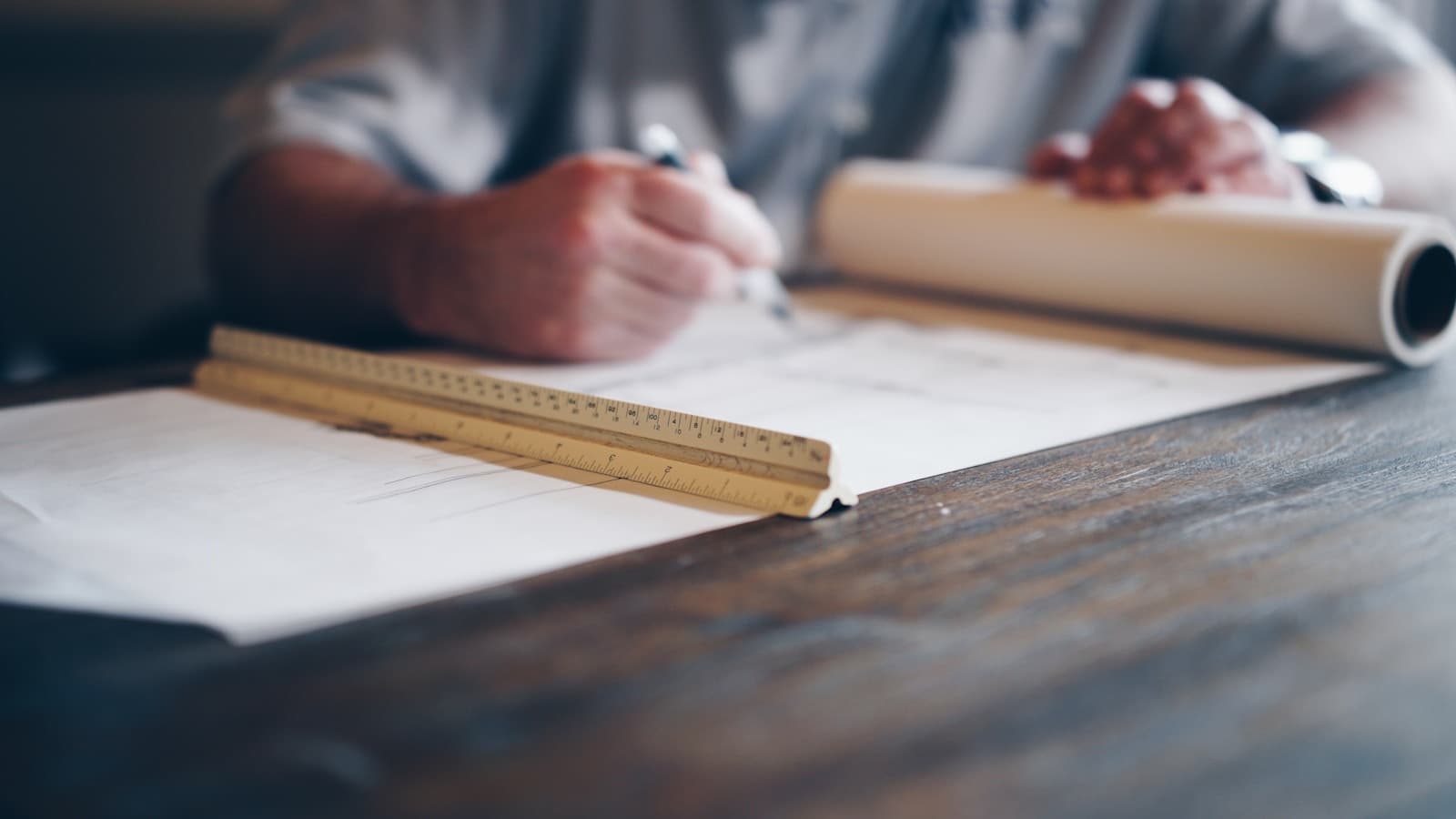
What to Expect at Your Free Consultation
A walk-through of the first visit: what we cover, what to have ready, and what you'll leave with.
Read more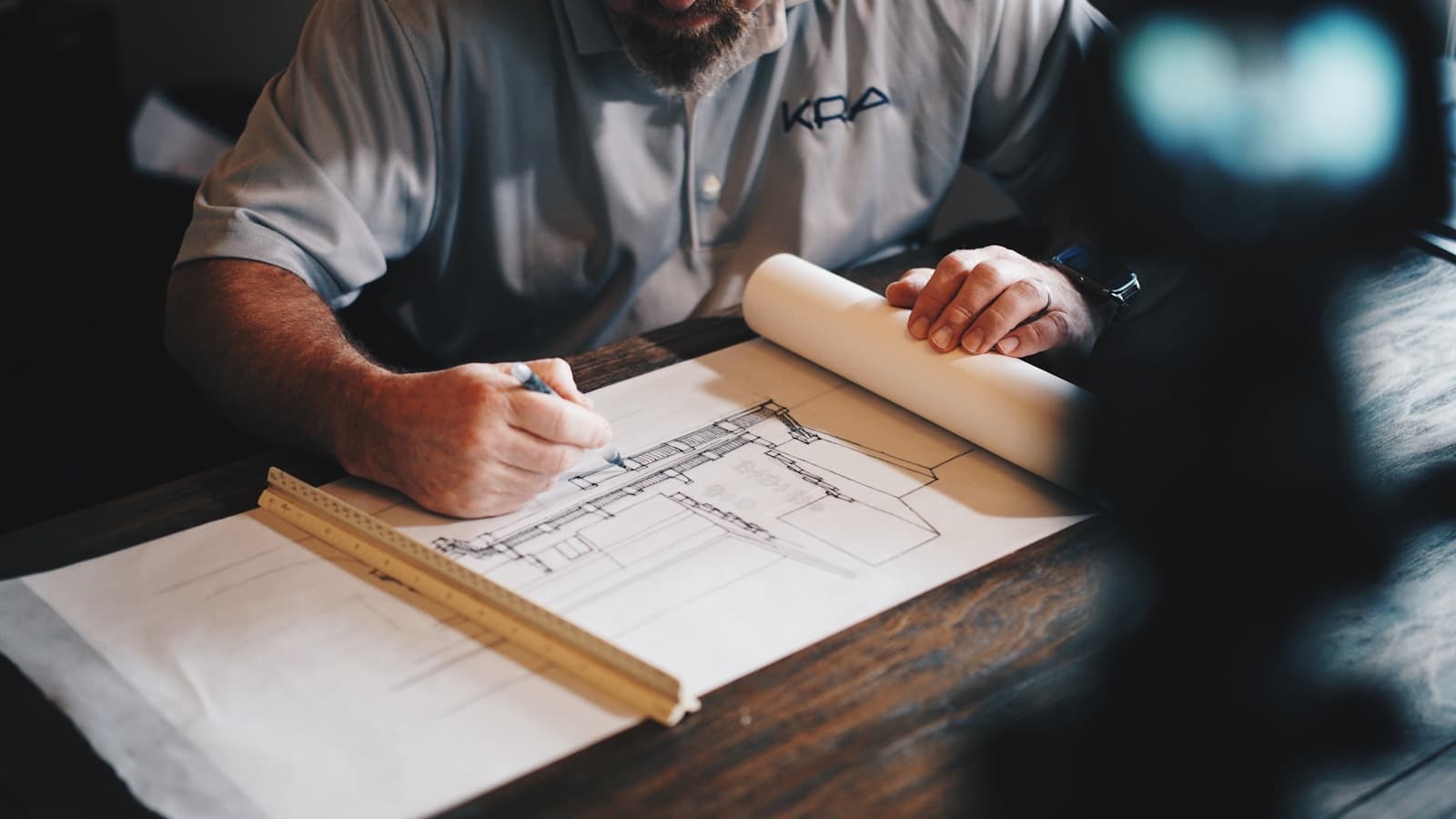
From Vision to Blueprint: The Design Phase Explained
Design is where a remodel is won or lost. Here's how plans come together, how decisions get made, and why this phase matters more than demo day.
Read more
Permits, Plans & Approvals: What Happens Behind the Scenes
Permitting confuses most homeowners. Here's how it works in the Bay Area, city by city, and why timelines are what they are.
Read moreThinking about your own project?
We offer free consultations across San Francisco, the Peninsula, and the South Bay. Tell us what you're picturing and we'll map out what it would take.
Get Your Free Estimate(800) 950-3984