
ADU Permitting Guide: Burlingame, San Mateo, Palo Alto & More
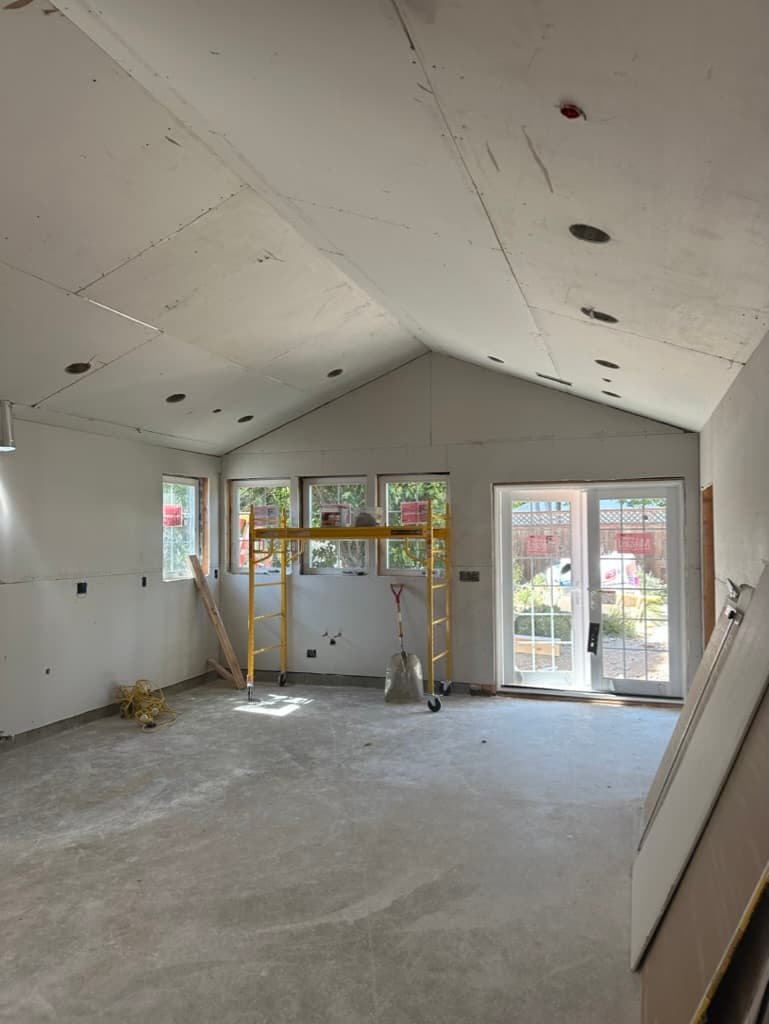
California has some of the most permissive ADU laws in the country, and the Peninsula is one of the most active ADU markets in the state. Aging in place, rental income, multigenerational housing, and Prop 19 estate planning are all driving ADUs onto lots that five years ago no one thought qualified.
Every city on the Peninsula interprets state ADU law a little differently. Knowing the state baseline, then knowing where your city adds or restricts, is the difference between a smooth project and an eight-month permit stall. Here's what you need to know.
The state baseline (what every city must allow)
As of 2026, California law guarantees ADU rights on any residential lot, subject to minimum standards. The key points:
- One ADU plus one JADU (junior ADU, inside the primary home) on any single-family lot
- ADUs up to 850 sq ft (studio or one bedroom) or 1,000 sq ft (two bedroom) are permitted by right. Cities can't block them for size
- Setbacks: minimum 4 feet from side and rear property lines
- Maximum height: 16 feet single story, 18 feet if near transit or replacing an existing structure, 25 feet for certain two-story ADUs
- Owner-occupancy rules for new ADUs have been relaxed under state law in recent years — check your city's current stance
- No parking requirement if the property is within a half-mile of transit, which covers most of the Peninsula
- 60-day ministerial permit review. The city can't deny compliant projects
This is the floor. Cities can allow more: bigger, taller, less restrictive. They can't go below it.
City-by-city — Peninsula rules
Burlingame
- Max ADU size: 1,200 sq ft detached; JADUs up to 500 sq ft
- Height: 16 ft single story, up to 18 ft with conditions
- Design review waived for ministerial ADUs
- Typical permit timeline: 10 to 16 weeks
- Permit fees: vary by jurisdiction
- Utility connection fees vary. A separate water meter isn't required for most projects
San Mateo
- Max ADU size: 1,200 sq ft detached
- Height: 16 ft baseline, 18 ft with conditions
- More conservative setback interpretation. Watch eaves and overhangs
- Typical permit timeline: 12 to 20 weeks, a longer queue than Burlingame
- Permit fees: vary by jurisdiction
- Utility fees vary by neighborhood. Some require a sewer capacity study
Hillsborough
- Allows ADUs under state law, with design review where visible from the public street
- Max size: 1,200 sq ft
- Setbacks: 5 ft minimum, often larger due to lot sizes
- Height: typically 16 ft, with more restrictions in some overlay zones
- Typical permit timeline: 14 to 24 weeks due to architectural review
- Permit fees: vary by jurisdiction
- Strong preference for designs that match the primary home's style
Palo Alto
- ADUs widely encouraged. Many lots have been converted
- Max size: 1,200 sq ft detached
- Height: 16 ft baseline, with exceptions for certain corridors
- Historic district overlays add design review in several neighborhoods, including Professorville and Downtown North
- Typical permit timeline: 12 to 18 weeks standard, 20 to 28 weeks in historic districts
- Permit fees: vary by jurisdiction
- Utility fees can be significant. Newer Title 24 energy standards may trigger solar requirements
Redwood City
- ADU-friendly. The city actively encourages development
- Max size: 1,200 sq ft
- Typical permit timeline: 10 to 14 weeks
- Permit fees: vary by jurisdiction
- Strong sewer capacity in most neighborhoods
South San Francisco
- Streamlined ADU program
- Max size: 1,200 sq ft
- Typical permit timeline: 8 to 14 weeks
- Permit fees: vary by jurisdiction
- Lower overall costs than central Peninsula cities
Daly City
- ADU allowed by right, ministerial process
- Max size: 1,200 sq ft
- Typical permit timeline: 10 to 16 weeks
- Permit fees: vary by jurisdiction
- Steep lots often complicate foundation requirements
San Bruno
- ADU-friendly
- Max size: 1,200 sq ft
- Typical permit timeline: 10 to 14 weeks
- Permit fees: vary by jurisdiction
Common setback and site issues
Even under permissive state law, your lot has to physically fit an ADU. The most common dealbreakers:
- Not enough side or rear yard to fit a 4-ft setback plus the ADU itself
- Easements for utility, drainage, or access that can't be built over
- Large trees with drip lines you can't disturb, especially protected oaks and heritage species
- Steep slopes that require expensive foundation work, common in Hillsborough, Daly City, and parts of Palo Alto
- Sewer or water line location. Moving these adds significant cost
- Existing detached structures like sheds or studios that need to be removed
Utility connections
Utility connections are often the biggest hidden cost beyond construction itself. Key categories:
- Sewer lateral, new or extended. Cost varies by lot conditions
- Water connection or new meter. Cost varies. Most cities don't require a separate meter for ADUs
- Electrical. A 200A panel upgrade is often needed. Cost varies by existing service
- Gas, if adding gas appliances. Cost varies. Many ADUs skip gas and go all-electric
- Internet and cable, arranged by the homeowner
ADU types
- Garage conversion: existing shell, but utilities and foundation usually need work
- Attached ADU: built onto the existing home
- Detached ADU: a new structure. Scope varies by size and finish
- Prefab or manufactured ADU: faster permitting in some cities
Budget varies by ADU type, lot conditions, finish level, and city. The free consultation is the place to get a realistic read on your scope.
Timeline from day one to move-in
Realistic end-to-end timeline for a detached ADU on the Peninsula:
- Design and engineering: 10 to 16 weeks
- Permit review: 10 to 20 weeks. Varies by city and can overlap with ordering
- Construction: 16 to 28 weeks
- Final inspection and closeout: 2 to 4 weeks
Total: 9 to 15 months from signing the design agreement to moving in. Garage conversions can be faster, 6 to 10 months total.
Common mistakes to avoid
- Skipping the pre-design site check with a contractor who knows your city. A plan drawn without knowing the sewer location gets redrawn
- Underestimating utility connection costs. These can be significant on a Bay Area lot and should be scoped early
- Assuming your lot allows what your neighbor's lot allowed. Two lots on the same street can have different zoning overlays
- Choosing a prefab unit without verifying it meets your city's architectural standards, especially in Hillsborough and Palo Alto historic zones
- Forgetting that an ADU adds to your property tax base — ask your county assessor what to expect
- Not planning for rental readiness. Most cities require a separate address, mailbox, utilities, and sometimes a separate entrance path
Final thought
ADU permitting on the Peninsula is simpler than it was five years ago but still far from uniform. Start with a site walk with someone who's built ADUs in your city and knows the current plan-check culture there. From there, you can decide whether your lot, budget, and timeline line up.
If you're considering an ADU across San Francisco, the Peninsula, or the South Bay, we've built them in most of these jurisdictions and can tell you quickly whether your scope is realistic. The free consultation is the easiest way to get a real read on your lot.
Free download
Planning a remodel? Get the free checklist.
The steps worth sorting out before you call a contractor — so your project starts smooth. We'll email you The Bay Area Remodel Planning Checklist.
By submitting, you'll get the checklist plus occasional remodel tips. Unsubscribe anytime.
Related Articles
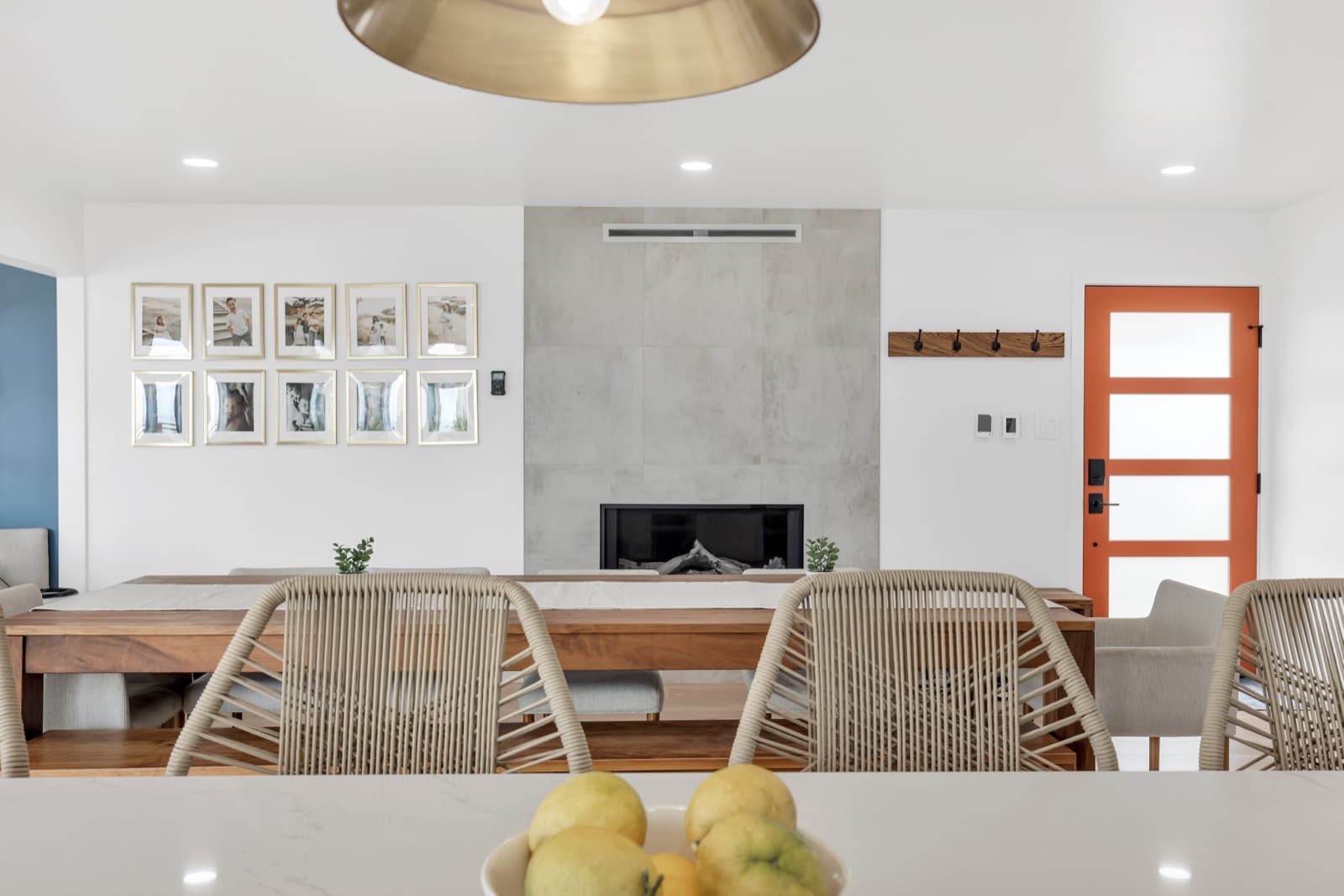
Do You Need a Permit to Remove a Wall in the Bay Area? (2026 Update)
Short answer: almost always, especially if the wall is load bearing. Here's when a permit is required, what changed under California's 2026 building code, and what it really costs.
Read more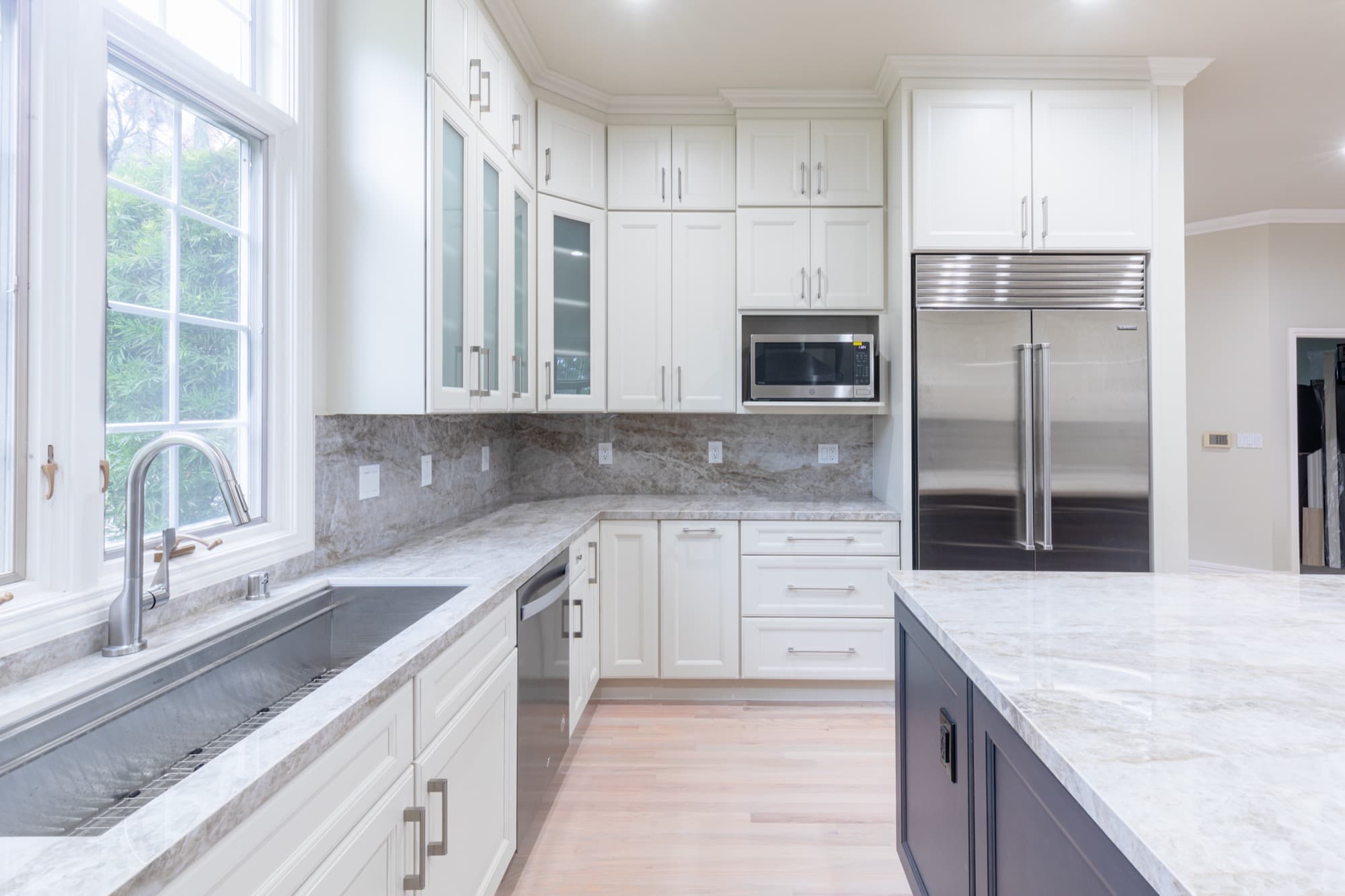
Kitchen Remodel Cost in the Bay Area: What Drives the Price
A straight look at what actually drives the price of a kitchen remodel in the Bay Area — so you can plan a budget that reflects your real project.
Read more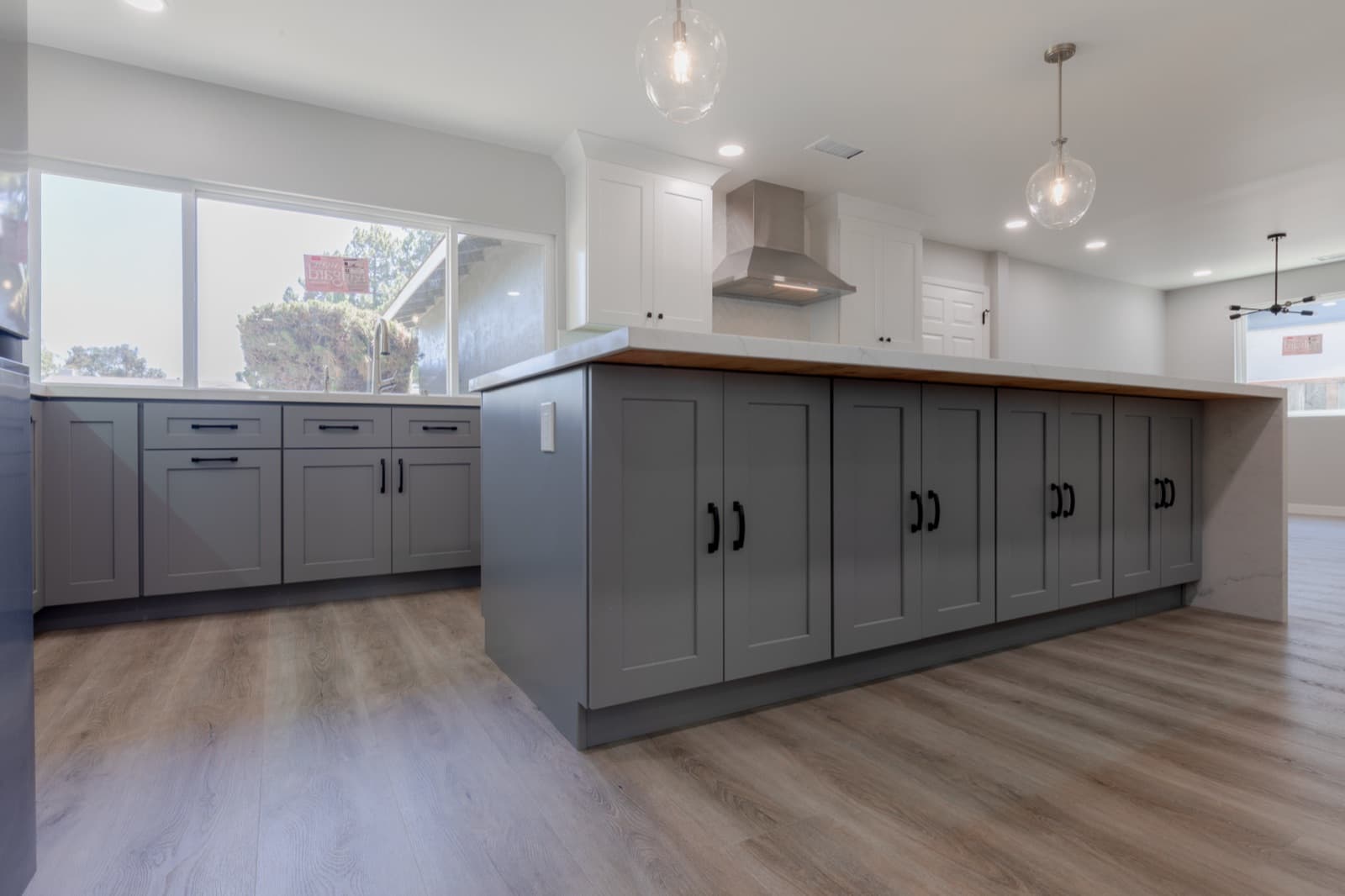
Kitchen Remodeling in Burlingame: A Homeowner's Guide
What a kitchen remodel in Burlingame actually involves — how design-build works, what the city requires for permits, and how to plan it without surprises.
Read moreThinking about your own project?
We offer free consultations across San Francisco, the Peninsula, and the South Bay. Tell us what you're picturing and we'll map out what it would take.
Get Your Free Estimate(800) 950-3984