
Do You Need a Permit to Remove a Wall in the Bay Area? (2026 Update)
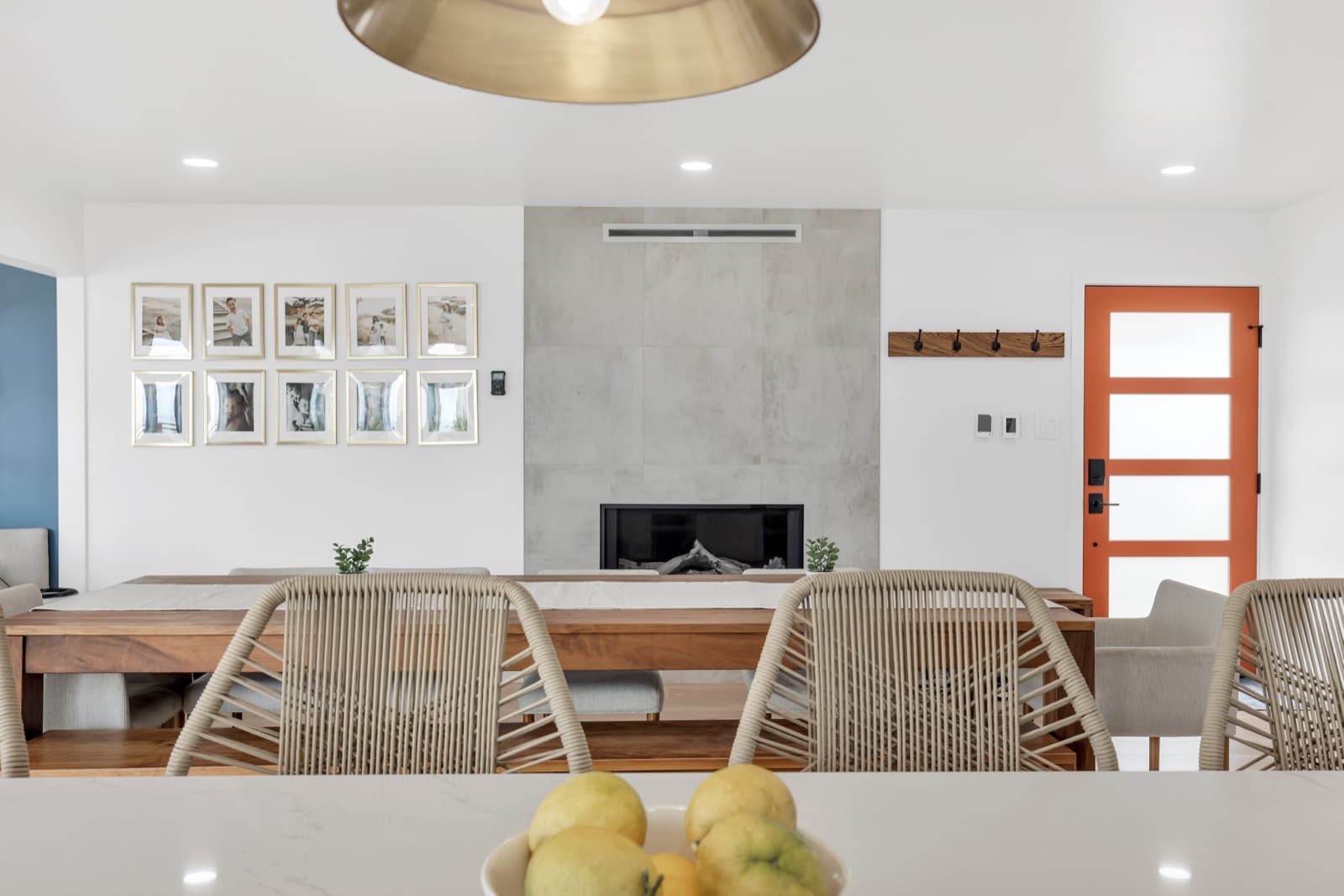
Short answer: yes, almost always. If the wall is load bearing, there's no gray area. And under current California building code, removing a load-bearing wall is a real, engineered project — not a quick job.
I'm a general contractor in the Bay Area, and open floor plans are one of the most common requests we get. Homeowners want the wall between the kitchen and living room gone, or the dining room opened up. It's a great upgrade and it changes how the whole house feels. But it's also one of the most misunderstood projects, so here's what actually happens, based on jobs we're doing right now.
First question: is the wall load bearing?
You can't tell just by looking at it, and you can't rely on guesses. Some walls that look minor are holding up the floor above or the roof. Some walls that homeowners assume are structural turn out to be simple partitions.
On a recent project, we were hired to remove a wall between a living room and dining room. Before quoting the structural work, I went up into the attic myself to check what was sitting on top of that wall. What I found was a shear wall resting directly on it. That wall wasn't just carrying weight, it was part of the home's earthquake resistance system. Our engineer confirmed it.
This is exactly why the inspection step matters. If a contractor gives you a price to remove a wall without anyone physically verifying what's above and below it, be careful.
When a permit is required
In California, you need a building permit to remove a wall when:
- The wall is load bearing (it carries the weight of the structure above it)
- The wall is a shear wall (part of the home's seismic bracing, very common in Bay Area homes)
- The wall contains electrical, plumbing, or HVAC that will be moved
- The removal changes the layout in a way that affects egress, ventilation, or fire separation
A short non-bearing partition with nothing inside it is one of the few cases where some cities don't require a permit. But in practice, most walls in older Bay Area homes have wiring in them at minimum, so most wall removals are permitted work.
What changed in 2026
Under current California building code, two things matter for wall-removal projects.
1. Engineered design is required, not optional
Removing a load bearing wall now requires an engineered beam and post design under the current code. The days of a contractor sizing a header from a rule of thumb are over. A structural engineer calculates the beam, the posts, and how the load travels down to the foundation.
2. Seismic requirements got more specific
Current code includes seismic retrofit and foundation-anchorage standards, especially for older homes with raised floors and post and pier foundations, which describes a huge share of the housing here. If your wall turns out to be a shear wall, the plans have to show how that lateral strength gets replaced. In some cases, opening up a wall is also the cheapest moment you'll ever have to fix existing seismic weaknesses, because the walls and crawl space are already open.
What the process actually looks like
Here's the honest version of the timeline, because this is where most homeowners get surprised:
- Site verification. The contractor or engineer physically confirms what the wall is doing. Attic, crawl space, sometimes opening a small section of drywall.
- Plans. An architect and structural engineer produce a drawing set. Realistically this takes a few weeks even when everyone is moving fast.
- Permit review. The city reviews the plans. Depending on the city and the scope, this can take anywhere from a couple of weeks to a couple of months.
- Construction. The removal and beam installation is often the fast part, typically a few days to a week for the structural work itself, plus drywall, patching, and finish work.
- Inspections. The city inspects the framing before it gets covered up, then signs off at the end.
So the wall might come down in a week, but the project from "let's do it" to "permit in hand" is usually measured in months, not days.
What it costs
Every house is different, so treat these as ranges, not quotes. A simple non-bearing wall removal is relatively minor. A load-bearing wall with an engineered beam, new posts and footings, electrical relocation, plans, and permits is a real project, and complex spans or foundation work push it further — we scope it once we've verified the structure.
Anyone who quotes you a firm low price before verifying the structure is guessing with your house.
A tip that can save you money: bundle it
If you're planning other work in the next year or two, especially a kitchen remodel, it often makes sense to combine the wall removal with that project under one set of plans and one permit. You pay for design and permitting once, the structural work happens while the room is already torn up, and you avoid doing drywall and finish work twice.
We recently walked a client through this decision. Rather than rushing the wall removal on its own permit, they chose to do the cosmetic work now and fold the wall into their upcoming kitchen remodel as one combined project. That was the right call for their budget and timeline.
Why unpermitted wall removal is not worth it
We get asked about this, so here's the straight answer. Removing a structural wall without a permit can crack ceilings and floors, sag the roofline, and in a seismic event it can be dangerous. It also follows the house. Unpermitted structural work routinely surfaces during a sale, kills deals, and costs far more to legalize after the fact than it would have cost to do right. It's not a corner worth cutting.
Thinking about opening up your floor plan?
Genesis Home Remodeling handles the whole process: structural verification, working with the architect and engineer, permits, construction, and inspections. If you're in the Bay Area and wondering whether your wall can come out and what it would take, reach out for a free estimate.
FAQ
Do I need a permit to remove a non load bearing wall in California?
Often yes, because most walls contain electrical or plumbing. Check with your city's building department. If the wall is truly a bare partition, some cities exempt it.
How do I know if my wall is load bearing?
You don't know until someone physically checks what's above and below it. Walls running perpendicular to ceiling joists, walls near the center of the house, and walls stacked under upper floors are common suspects, but only verification in the attic or crawl space, or an engineer's review, gives a real answer.
How long does a wall removal permit take in the Bay Area?
Plan on several weeks to a few months from starting drawings to an approved permit, depending on your city. The construction itself is usually the quick part.
Can I remove a shear wall?
Yes, but the plans must show how the seismic strength is replaced, which is an engineered design. This is very common in Bay Area homes and it's routine work for contractors who do it properly.
How much does it cost to remove a load bearing wall?
It depends on the span, engineering, permits, the beam and posts, and finish work — a load-bearing removal is a real project, while a simple non-bearing wall is far less. We give a firm number after verifying the structure.
Free download
Planning a remodel? Get the free checklist.
The steps worth sorting out before you call a contractor — so your project starts smooth. We'll email you The Bay Area Remodel Planning Checklist.
By submitting, you'll get the checklist plus occasional remodel tips. Unsubscribe anytime.
Related Articles
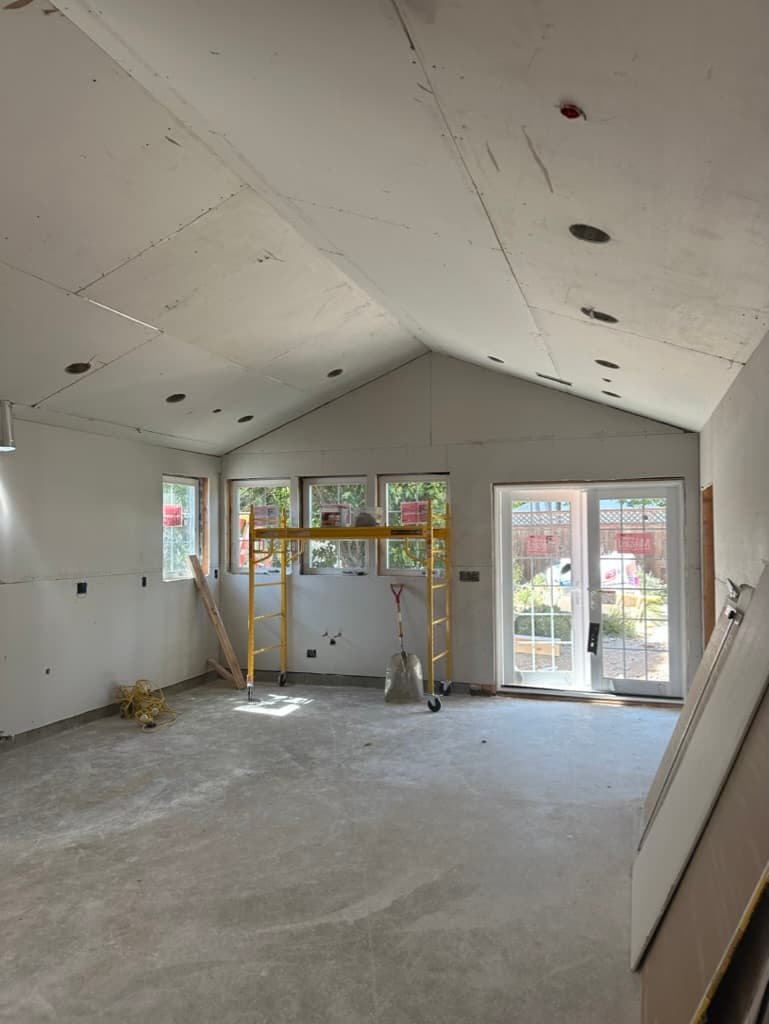
ADU Permitting Guide: Burlingame, San Mateo, Palo Alto & More
California's ADU laws opened up big opportunities, but each Peninsula city has its own rules. Here's what applies, city by city.
Read more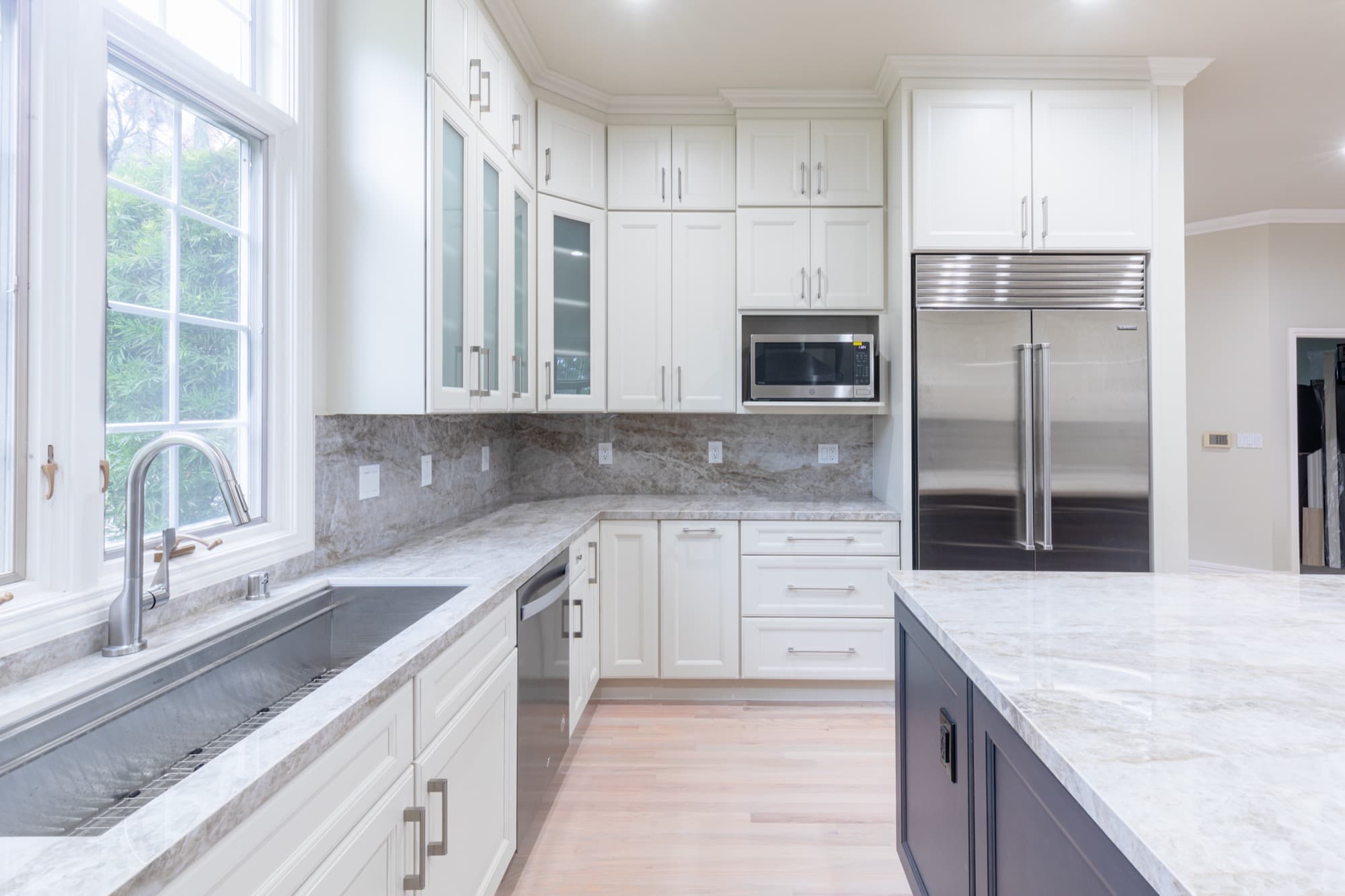
Kitchen Remodel Cost in the Bay Area: What Drives the Price
A straight look at what actually drives the price of a kitchen remodel in the Bay Area — so you can plan a budget that reflects your real project.
Read more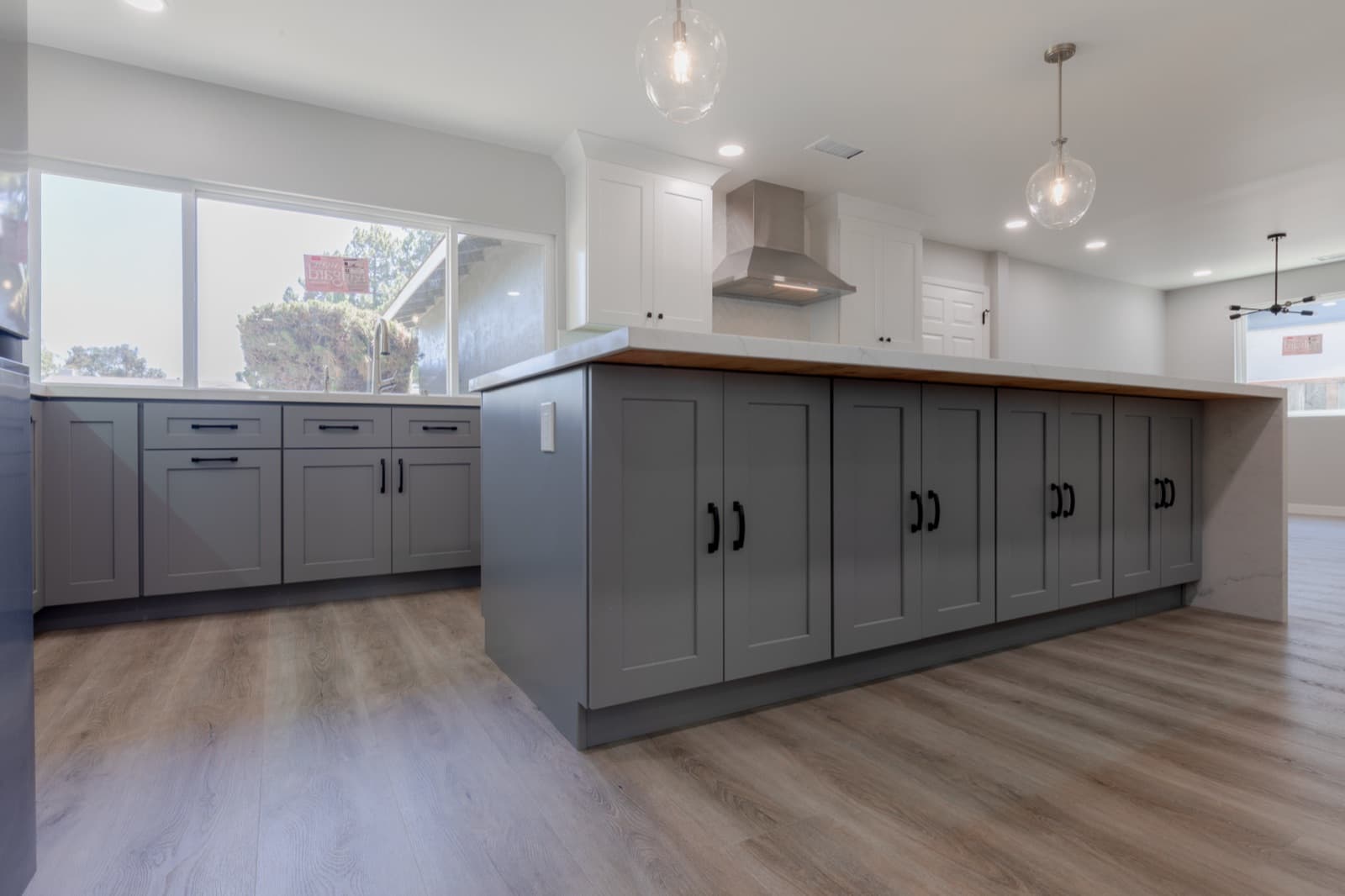
Kitchen Remodeling in Burlingame: A Homeowner's Guide
What a kitchen remodel in Burlingame actually involves — how design-build works, what the city requires for permits, and how to plan it without surprises.
Read moreThinking about your own project?
We offer free consultations across San Francisco, the Peninsula, and the South Bay. Tell us what you're picturing and we'll map out what it would take.
Get Your Free Estimate(800) 950-3984